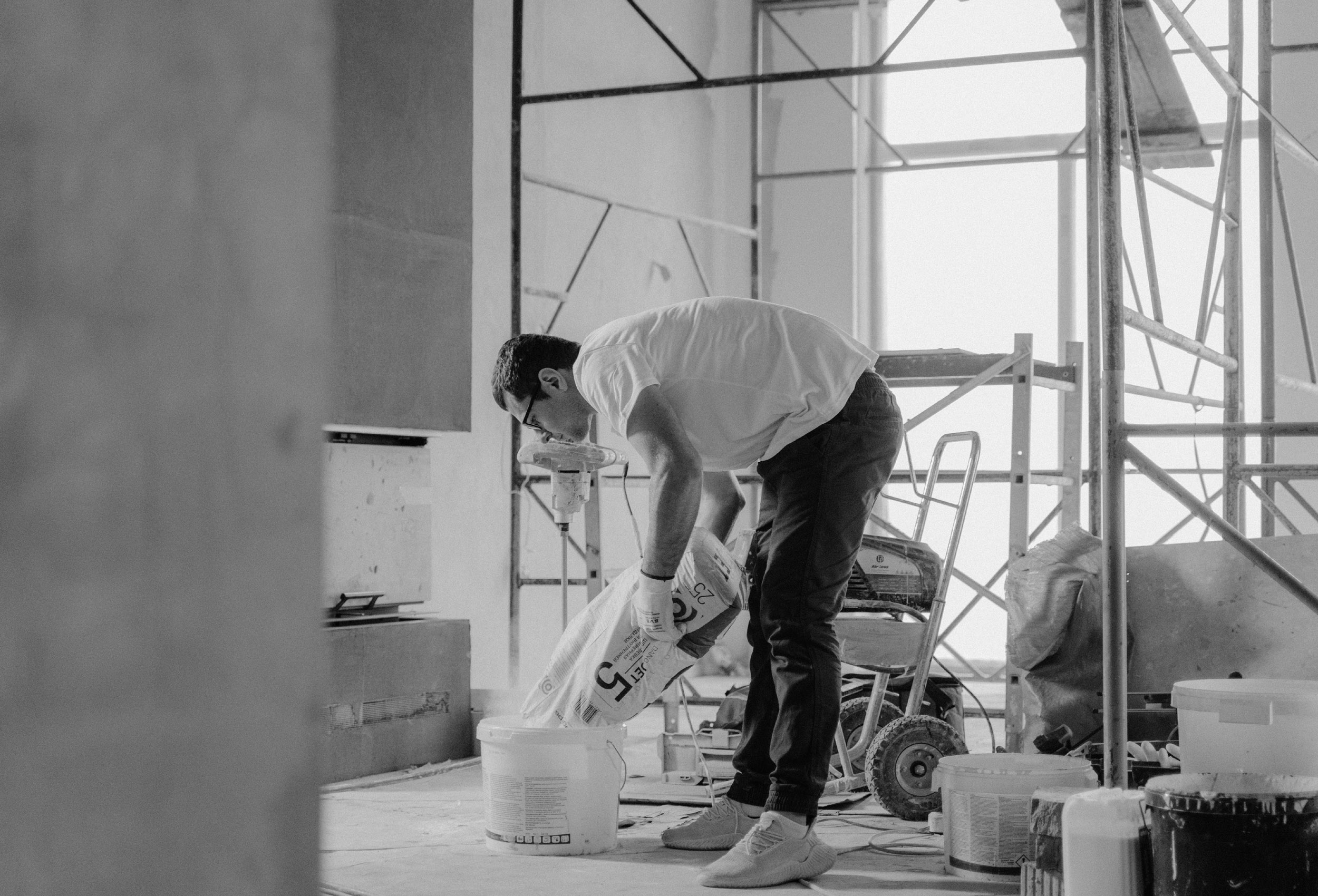

Embarking on a home renovation is an exciting venture, but the sheer volume of choices, especially when it comes to materials, can feel overwhelming. The materials you select will define the look, feel, and longevity of your new space. Making the right decisions involves balancing your design vision with practical considerations like cost, durability, and maintenance.
This guide will walk you through the key factors to consider when choosing materials, helping you make informed decisions that will bring your renovation dreams to life and add lasting value to your home. Farnham Construction offers highly rated services, free evening/weekend quotes for small to medium projects with a reliable local team.
Define Your Budget First
Before you fall in love with a high-end Italian marble or a bespoke hardwood, it’s crucial to establish a clear and realistic budget. Your materials will account for a significant portion of your total renovation costs, so understanding your financial limits from the outset will help narrow down your options and prevent overspending.
When planning, think about the total cost of a material, which includes not just the purchase price but also delivery, installation, and any special tools or skills required. Discuss your budget openly with your contractor. They can often suggest high-quality, cost-effective alternatives that provide a similar look and feel to more expensive options, ensuring you get the best value for your money without compromising on style.
Balance Aesthetics with Durability
While the visual appeal of a material is important, its durability is what ensures your renovated space stands the test of time. Your choice should reflect the room's function and the amount of wear and tear it will endure. For a busy family kitchen, for instance, a durable quartz worktop might be a more practical choice than porous marble, which can stain easily. In a high-traffic hallway, hard-wearing porcelain tiles will outperform a softer wood flooring.
Consider the long-term maintenance requirements as well. Some materials, like natural stone or solid wood, may require regular sealing or treatment to keep them looking their best. Others, such as laminate flooring or composite decking, offer a low-maintenance solution. Weigh the aesthetic you desire against the practicalities of daily life to find the perfect balance.
Consider the Environmental Impact
Sustainable building is no longer a niche concept; it's a responsible choice that many homeowners are embracing. When selecting materials, think about their environmental footprint. Look for options that are renewable, recycled, or sourced locally to reduce transportation emissions. Materials like bamboo flooring, reclaimed wood, and countertops made from recycled glass are all excellent eco-friendly choices.
Beyond the source, consider the material's impact on your home's indoor air quality. Some synthetic materials can release volatile organic compounds (VOCs), which can be harmful to your health. Opt for low-VOC or zero-VOC paints, finishes, and adhesives to create a healthier living environment for you and your family.
Work Collaboratively with Your Contractor
Your contractor is one of your most valuable resources during the material selection process. They have hands-on experience with a wide variety of products and can provide expert insights into their performance, installation requirements, and long-term durability. They know which materials work well in the local climate and which suppliers are the most reliable.
Don't hesitate to ask for samples. Seeing and feeling materials in your own home, under your specific lighting conditions, is very different from viewing them in a showroom or online. Place tile samples on the floor, hold paint swatches against the wall, and compare countertop options in the room where they will be installed. This hands-on approach will help you feel confident in your final choices.
Making an Informed Choice
Choosing the right materials is a critical step in any successful home renovation. By carefully considering your budget, balancing aesthetics with durability, thinking about the environmental impact, and collaborating with your contractor, you can select products that are not only beautiful but also practical and enduring. This thoughtful approach ensures your renovated space will be a source of pride and enjoyment for many years to come.