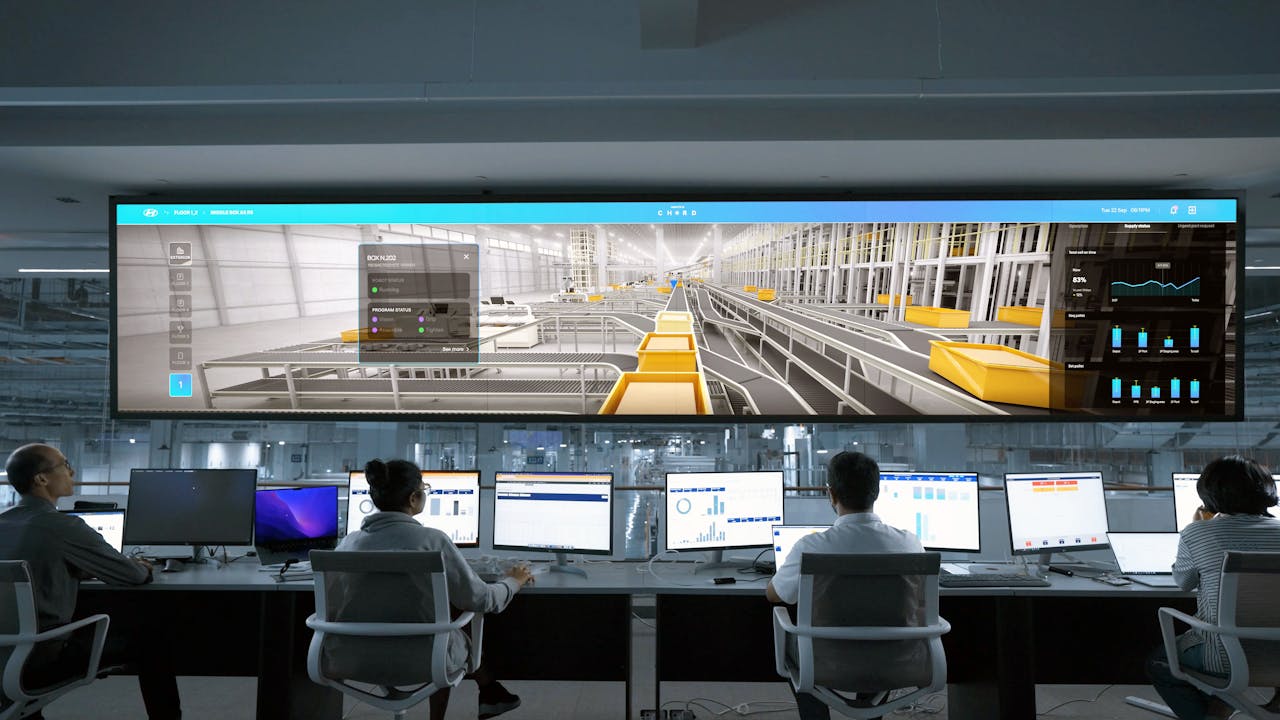

Computer-Aided Facilities Management (CAFM) systems are revolutionising how businesses approach the management of their physical spaces and assets. By combining advanced software capabilities with facilities management principles, CAFM enables organisations to handle everything from day-to-day operations to long-term strategic planning more efficiently. Its growing adoption reflects a shift towards leveraging technology to achieve greater operational control, improved efficiency, and cost savings.
This article dives into the components, benefits, and real-world applications of CAFM, illustrating its critical role in modern facilities management.
Key Components of CAFM
At its core, CAFM integrates various functionalities into a single system, allowing organisations to streamline multiple aspects of their facilities management. Here are four essential components driving its effectiveness:
Space Management
CAFM software allows businesses to monitor and manage the allocation and utilisation of spaces. Whether it is office floors, meeting rooms, or shared workstations, the tool provides accurate data to enhance utilisation rates. By gaining insights into how space is used, organisations can make informed decisions about reconfiguration or consolidation.
Asset Management
Facilities like HVAC systems, lighting, and security infrastructure can be managed effectively with CAFM. It enables users to track critical information such as asset locations, usage patterns, and maintenance schedules. This comprehensive oversight ensures that assets are operating at optimal levels, improving their lifespan and reducing unexpected downtimes.
Maintenance Management
Routine and preventive maintenance are key to avoiding operational interruptions. CAFM offers scheduling tools for planned maintenance, as well as systems to log data from reactive maintenance tasks. These tools contribute to streamlined workflows, ensuring repairs and services are conducted efficiently.
Real Estate Portfolio Management
For organisations managing multiple properties, a CAFM platform serves as a central hub for tracking leases, property costs, and performance metrics. Armed with this information, decision-makers can optimise their property investments and align them with broader corporate strategies.
Benefits of Implementing CAFM
The impact of CAFM adoption is felt across various facets of facilities operations. Its holistic approach brings a range of advantages that transform how organisations manage their infrastructure.
Cost Reduction
Effective resource allocation and centralised oversight of assets reduce wastage and overheads. Real-time analytics highlight inefficiencies, enabling swift corrective actions that align financial expenditure with organisational goals.
Improved Efficiency
CAFM systems replace disparate tools and manual processes with automated workflows. Maintenance scheduling, task delegation, and real-time reporting are seamlessly unified to save time and reduce administrative burdens.
Enhanced Decision-Making
Data analytics provided by CAFM platforms allow leaders to forecast future needs and prioritise projects based on accurate insights. This data-driven approach strengthens long-term planning while mitigating risks associated with guesswork.
Regulatory Compliance
Adhering to legal and safety requirements is crucial in facilities management, and CAFM simplifies this process. The platform can provide detailed documentation and reminders for compliance milestones, reducing the risk of penalties.
CAFM in Practice
The versatility of CAFM systems makes them applicable across various industries. Healthcare institutions, for example, use CAFM to ensure the seamless operation of critical assets such as medical equipment and HVAC systems in sterile environments. Meanwhile, educational campuses deploy CAFM tools to optimise classroom space usage and maintain vast real estate portfolios.
Why CAFM is the Future of Facility Management
CAFM is far more than just a convenience; it is becoming an operational imperative as businesses seek ways to thrive in increasingly competitive markets. By digitising and centralising facility management activities, organisations are better positioned to adapt to change, make informed decisions, and remain operationally resilient.
For businesses aiming to optimise their facilities management processes, adopting CAFM technologies represents a smart investment. By integrating its comprehensive features into daily operations, organisations can not only reduce costs and increase efficiency but also gain a strategic advantage that propels them into a more efficient future.